Emerging during a golden era of British children’s television, The Raggy Dolls distinguished itself as a quietly revolutionary series, embedding profound messages of acceptance and resilience within its imaginative animated storytelling. Originally broadcast on ITV from 1986 to 1994 and created by Melvyn Jacobson, The Raggy Dolls followed the adventures of factory-rejected dolls, each bearing unique imperfections that ultimately became their greatest strengths. At a time when many mainstream narratives idealised unattainable standards, this show resonated deeply with 90s kids by promoting individuality and kindness. Though often overshadowed by more commercial franchises, The Raggy Dolls remains firmly embedded within the cultural memory of millennials, its influence now enjoying renewed recognition through social media platforms such as 90skidnostalgia, which celebrate 90s nostalgia clothing, retro media, and forgotten icons of childhood. Revisiting the legacy of The Raggy Dolls is not merely an exercise in fond remembrance, but a reconnection with the powerful values that helped define a generation.
...your full blockquote content...
The Origin and Creation of The Raggy Dolls
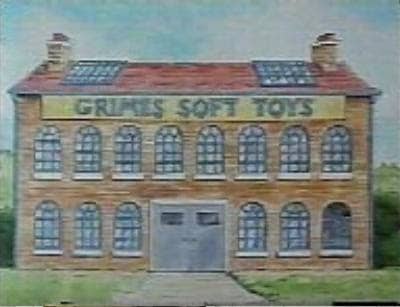
The Raggy Dolls was created by Melvyn Jacobson and produced by Yorkshire Television, first airing in 1986. Set in Mr Grimes’ toy factory, the series focused on a group of dolls deemed imperfect and discarded before reaching the shop shelves. The concept was deliberately positioned against the idealistic narratives popular in children’s media at the time, offering a story that celebrated flaws as strengths rather than defects. The factory backdrop, the hand-drawn animation style, and the modest storytelling distinguished The Raggy Dolls from the increasingly commercialised cartoons dominating the 1980s and early 1990s.
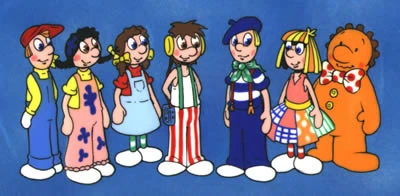
By embracing imperfection through characters such as Sad Sack, Hi-Fi, and Dotty, The Raggy Dolls challenged societal norms without being overtly didactic. Its traditional animation techniques, simple emotional expressions, and heartfelt opening theme reinforced the show’s core message that beauty and worth are found in individuality. This subtle but powerful commentary established The Raggy Dolls as a formative influence on 90s kids and a key part of the broader tapestry of 90s nostalgia that resurfaces today through social media platforms like 90skidnostalgia.
Character Analysis: Embracing Imperfection Through Animation
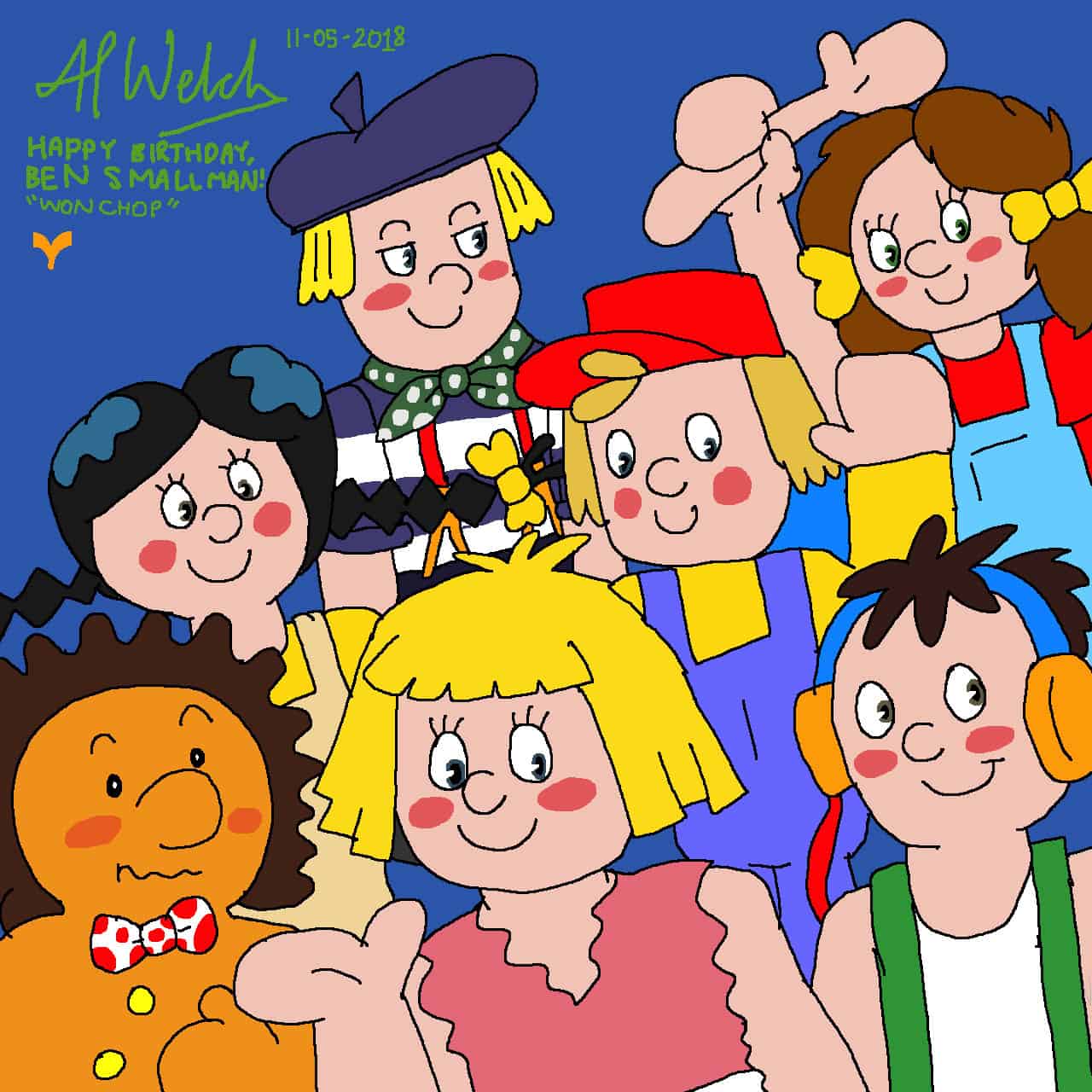
Each character in The Raggy Dolls was carefully designed to personify different aspects of imperfection, creating a diverse group that collectively challenged traditional ideals. Sad Sack, with his gloomy outlook, Dotty with her paint-splattered dress, and Hi-Fi with his speech difficulties, were portrayed not as victims but as resilient and resourceful figures. Through their unique personalities, The Raggy Dolls demonstrated that perceived flaws could be sources of strength, fostering an early understanding among 90s kids that self-worth transcends physical appearance or conformity.
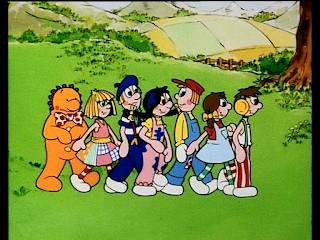
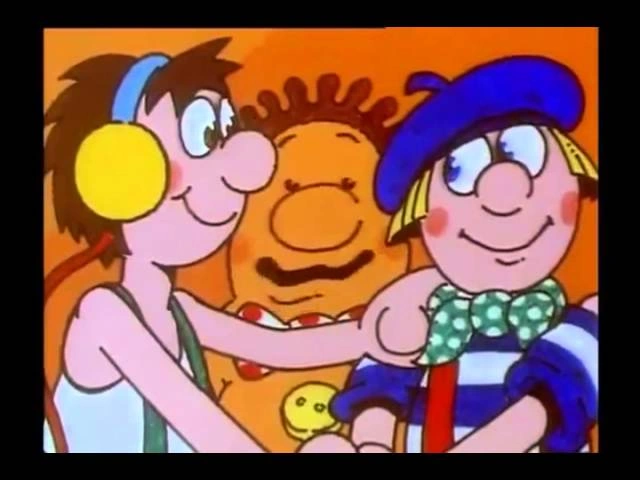
The animation style itself reinforced these ideas, with slight irregularities in design and movement that mirrored the individuality of the characters. Unlike the hyper-stylised figures seen in many American imports of the era, the rougher aesthetic of The Raggy Dolls brought a relatable authenticity to the screen. This commitment to celebrating imperfection through both storytelling and visual design positioned The Raggy Dolls as a pivotal influence on nostalgic media, maintaining its relevance for today’s audiences rediscovering 90s nostalgia.
Cultural Impact: Why The Raggy Dolls Resonate with 90s Kids
The Raggy Dolls carved out a distinctive cultural legacy by addressing themes that were rarely explored in children’s programming at the time. The series resonated deeply with 90s kids by offering an honest portrayal of difference and adversity, concepts that were often glossed over in other animated shows. Its message that individuality should be embraced, not hidden, laid important groundwork for later shifts in how children’s media approached diversity and self-expression. In an age before mainstream conversations about inclusivity became widespread, The Raggy Dolls was subtly shaping the perceptions and values of an entire generation.
Beyond its immediate viewership, The Raggy Dolls has maintained a lasting presence within the broader framework of 90s nostalgia. As platforms like 90skidnostalgia rekindle interest in retro television, the show’s impact is being re-evaluated through a modern lens. Its cultural significance extends beyond simple sentimentality, representing a moment when children’s animation took a bold step towards authenticity. For millennials revisiting their childhood favourites, The Raggy Dolls stands as a reminder of a time when imperfection was not only accepted but celebrated.
The Raggy Dolls and the Evolution of Children’s Programming
When The Raggy Dolls first aired, the landscape of children’s programming was undergoing a significant transition. Traditional animated series often prioritised entertainment over depth, presenting polished heroes and idealised worlds. The Raggy Dolls diverged from this formula by introducing flawed characters and meaningful narratives, setting a precedent for more socially aware storytelling. It demonstrated that children’s animation could address complex emotional themes without diminishing its appeal, influencing future productions that would place a greater emphasis on inclusivity and representation.
This pioneering approach contributed to a broader evolution in the genre, where diversity of character and experience became more commonplace. Shows that followed in later decades owed a debt to early innovators like The Raggy Dolls, which proved that audiences were ready to embrace content that reflected real-world challenges and differences. As nostalgia for 90s culture continues to grow, The Raggy Dolls remains a touchstone for how children’s programming can be both entertaining and transformative, embodying values that still resonate strongly today.
Rediscovering The Raggy Dolls: Modern Nostalgia and Social Media Revival
In the digital era, the revival of 90s nostalgia has become a powerful cultural force, with platforms like 90skidnostalgia leading the resurgence. Through curated content, retro advertisements, and the celebration of overlooked media, The Raggy Dolls has found a new audience among millennials and nostalgia enthusiasts. The show’s authentic themes of acceptance and individuality align perfectly with contemporary values, allowing it to transcend its original broadcast period and remain culturally relevant in an entirely different media landscape.
The aesthetic and emotional resonance of The Raggy Dolls has also influenced the growth of 90s nostalgia clothing and merchandise, where imperfect, hand-drawn imagery is once again celebrated. Social media platforms offer spaces where fragmented memories are pieced together, giving shows like The Raggy Dolls a renewed life. This modern revival highlights the timelessness of the show’s core message and its enduring place within the pantheon of British children’s television.
Conclusion: The Enduring Legacy of The Raggy Dolls
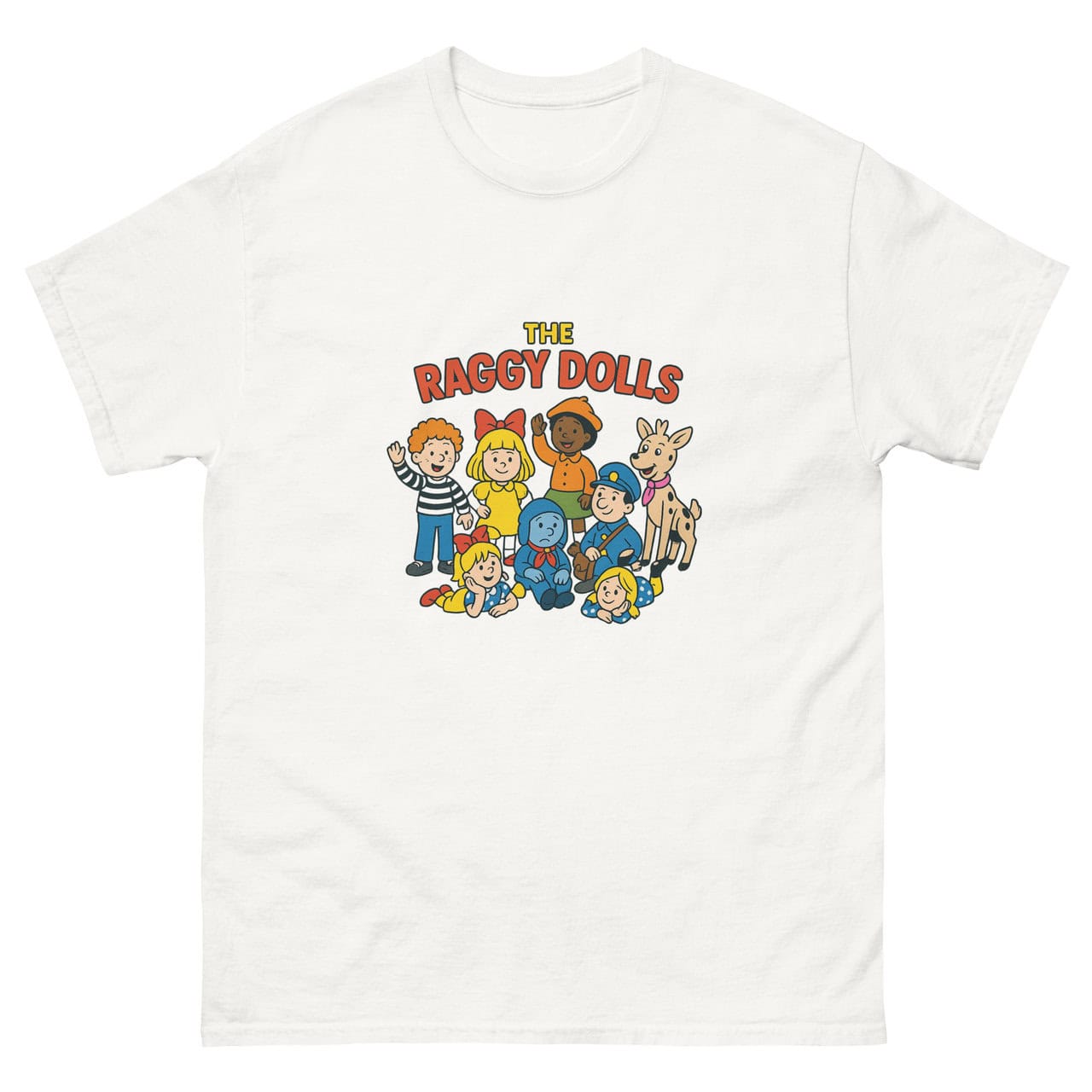
The Raggy Dolls remains a defining example of how children’s programming can blend entertainment with profound social messages, creating a legacy that continues to resonate with audiences today. Its celebration of imperfection, individuality, and resilience set it apart from contemporaneous offerings and helped shape the values of a generation growing up in the 1990s. As the revival of 90s nostalgia continues through platforms such as 90skidnostalgia, the importance of The Raggy Dolls is being reaffirmed for a new audience who seek authenticity and emotional depth in the content they revisit. To truly reconnect with the spirit of this iconic show, check out the the raggy dolls t-shirt and celebrate the enduring charm of these beloved characters in style. Far more than a simple animated series, The Raggy Dolls stands as a testament to the lasting power of inclusive storytelling and remains an enduring masterpiece within the cultural memory of 90s kids and nostalgia lovers alike.