
Few adverts encapsulate the spirit of 90s marketing as vividly as Reebok’s ‘Belly Gonna Get You’ campaign. Airing during a period when brands were embracing surrealism, humour, and emotional triggers to deepen consumer connection, the belly gonna get you advert quickly became a defining moment in pop culture. Far removed from conventional fitness marketing, Reebok’s bold approach tapped into a shared anxiety about health while remaining playful, embedding the phrase into the lexicon of 90s kids and millennials. Even decades later, the impact of reebok belly gonna get you persists as a touchstone of nostalgic advertising, illustrating how emotionally resonant storytelling often surpasses direct persuasion in brand longevity.
The Origins of the Reebok ‘Belly Gonna Get You’ Campaign
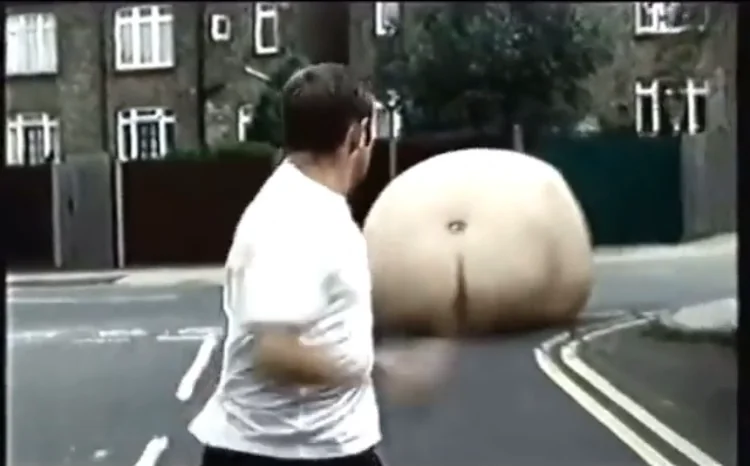
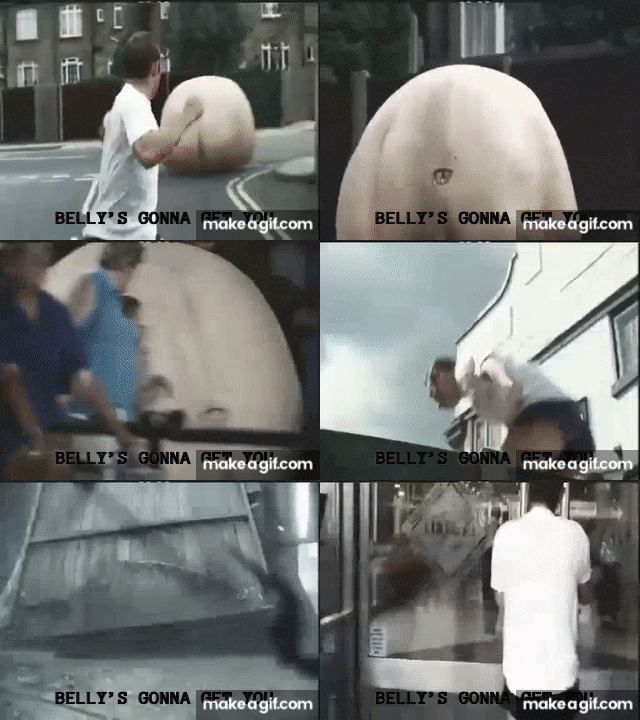
The reebok belly gonna get you campaign debuted in the year 2000, at the turn of a new millennium when sportswear brands were evolving beyond performance marketing to emotionally-driven narratives. Developed by the renowned advertising agency Lowe Lintas, the campaign introduced audiences to an unforgettable personification of weight gain: a giant, mischievous belly relentlessly chasing an unsuspecting man through the streets. By using physical comedy and surreal imagery rather than traditional fitness tropes, the belly gonna get you advert marked a bold strategic shift for Reebok, targeting a generation increasingly conscious of health yet disillusioned with conventional advertising methods. This creative risk aligned with the broader 90s and early 2000s trend of brands using humour and absurdity to form deeper emotional connections with consumers.
Cultural Impact: Why ‘Belly Gonna Get You’ Resonated with 90s Kids
The belly gonna get you advert resonated so deeply with 90s kids because it masterfully captured the transitional anxieties of a generation moving from youthful indifference to adult responsibility. With its exaggerated humour and surreal visuals, the campaign connected to a growing cultural awareness around health, fitness, and body image without adopting a preachy tone. Instead, the absurdity of a bouncing belly chasing its victim down alleyways made the message memorable and accessible, tapping into the 90s trend where entertainment and advertising increasingly overlapped. For many millennials, the reebok belly gonna get you campaign became a symbolic marker of their adolescence, referenced in schoolyards, spoofed on early internet forums, and later immortalised in nostalgia communities that celebrate the most vivid and eccentric moments of late 20th-century pop culture.

Analysing the Advertising Techniques Used in ‘Belly Gonna Get You’
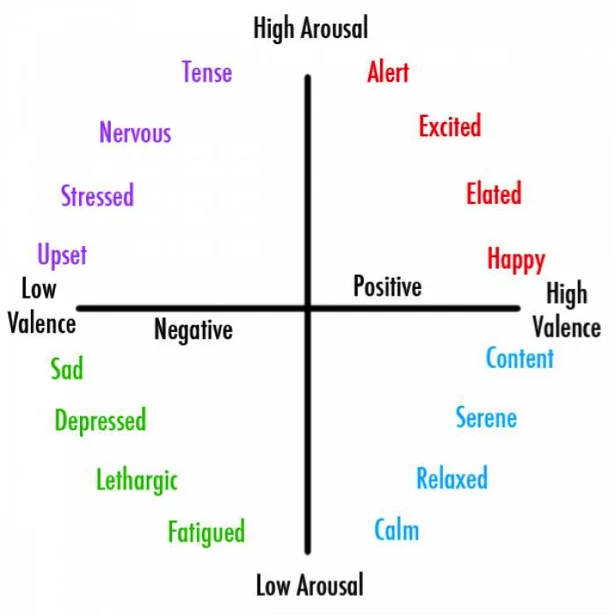
The advertising techniques deployed in belly gonna get you reveal an intricate balance between psychological provocation and comedic entertainment, creating a campaign that remains highly memorable. Instead of appealing solely to rational thought, Reebok’s creative team leaned heavily on the behavioural science principle of emotional arousal, triggering humour, surprise, and mild discomfort to embed the message deeply into viewers’ memories. The Reebok belly gonna get you campaign used a chase narrative structure, a classic cinematic device known to maintain engagement through suspense, while the anthropomorphic belly provided a potent visual metaphor that was both absurd and unsettling. By embedding fitness messaging within a surreal and humorous framework, the campaign achieved greater recall and emotional impact than traditional, message-heavy fitness advertising, aligning with findings from the Institute of Practitioners in Advertising that campaigns with emotional content outperform purely rational campaigns by nearly double in effectiveness.
Reebok’s 90s Branding Strategy: More Than Just Trainers
The belly gonna get you campaign was not an isolated creative gamble but a deliberate extension of Reebok’s wider 90s branding strategy, which sought to position the brand as a lifestyle symbol rather than merely a supplier of athletic footwear. Throughout the 1990s and into the early 2000s, Reebok increasingly embraced cultural narratives that resonated with everyday life rather than elite performance alone, recognising the growing commercial potential of aspirational yet relatable branding. The reebok belly gonna get you advert perfectly encapsulated this shift by blending fitness messaging with an accessible, humorous tone that spoke to the broader anxieties and ambitions of ordinary consumers. Rather than showcasing professional athletes, Reebok turned the spotlight onto the viewer, making the brand’s message about personal agency and lifestyle choices, a strategy that ultimately contributed to solidifying its distinct identity within the competitive sportswear landscape.
The Enduring Legacy of the Reebok ‘Belly Gonna Get You’ Advert
More than two decades after its original broadcast, the belly gonna get you advert continues to be remembered by 90s kids as one of the most distinctive pieces of marketing from that era. The unusual mix of humour and health awareness captured by the reebok belly gonna get you campaign has helped it stay relevant, frequently appearing in nostalgia blogs, social media discussions, and retrospectives about 90s culture. Its long-lasting popularity highlights the effectiveness of advertising that focuses on emotional connection rather than simple product promotion. Even today, brands regularly attempt to replicate the same level of memorability by blending entertainment with messaging, a method that Reebok’s campaign achieved with remarkable precision. As advertising continues to adapt to changing technologies and platforms, the success of ‘Belly Gonna Get You’ serves as a clear reminder that creativity and emotional storytelling remain at the core of effective marketing.
Conclusion: Why 90s Nostalgia Keeps ‘Belly Gonna Get You’ Alive Today
The lasting affection for the belly gonna get you campaign can be attributed to its perfect alignment with the emotional and cultural undercurrents of its time, creating an impact that continues to resonate with 90s kids and nostalgia enthusiasts today. In an era increasingly saturated with conventional and predictable advertising, the reebok belly gonna get you advert offered a refreshing mixture of humour, surreal imagery, and relatable messaging that allowed it to stand apart. Its success lies not only in the immediate attention it commanded but in the deeper emotional memories it forged, memories that have been preserved and amplified through the rise of nostalgia-focused communities and digital platforms. As modern brands strive to rekindle the same emotional depth in an ever-fragmented media landscape, the enduring appeal of Reebok’s iconic campaign stands as a testament to the timeless power of creativity that speaks directly to shared human experiences. If you want to carry a piece of that nostalgia with you, explore our exclusive Belly’s Gonna Get You t-shirt collection and relive one of the most unforgettable moments in 90s advertising history. Also, check out our other blogs such as our Brum TV Show and Bodger and Badger Mash Potato blogs.
