

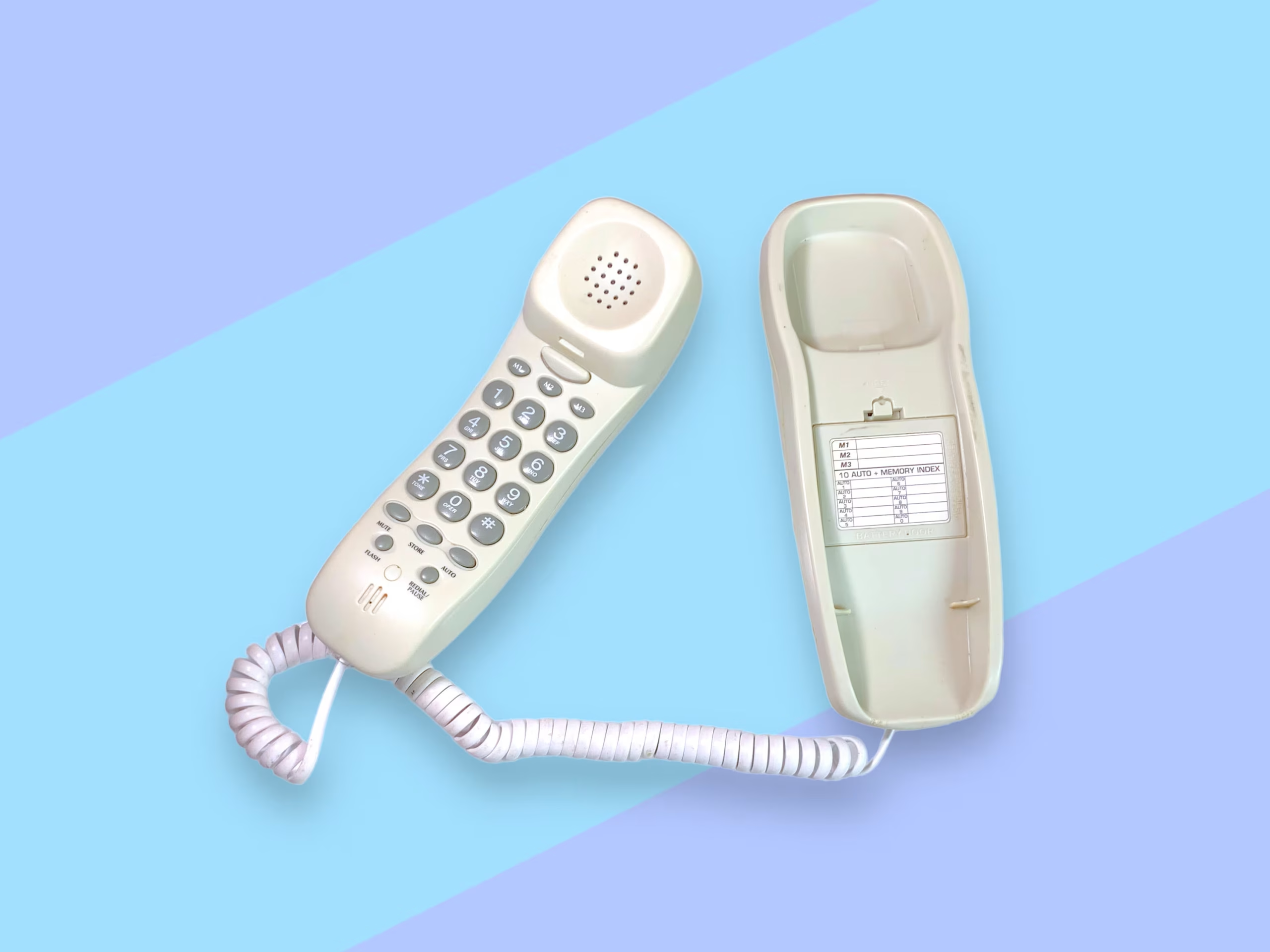
How Old Telephones Worked – Vintage Telephones Explained
The crackle of a bakelite handset, the solid click of a rotary dial, and the polite voice of an operator defined an era before smartphones. This article answers a simple question with deep history: how did old telephones work, and why did their design endure for so long?
How did old telephones work
At the heart of every set was the carbon microphone and the electromagnetic receiver. To explain how did old telephones work at the mouthpiece, think of tiny grains of carbon behind a thin diaphragm. Your voice squeezed the grains together, changing electrical resistance and letting more or less current flow. That varying current travelled along the line to recreate speech at the other end.
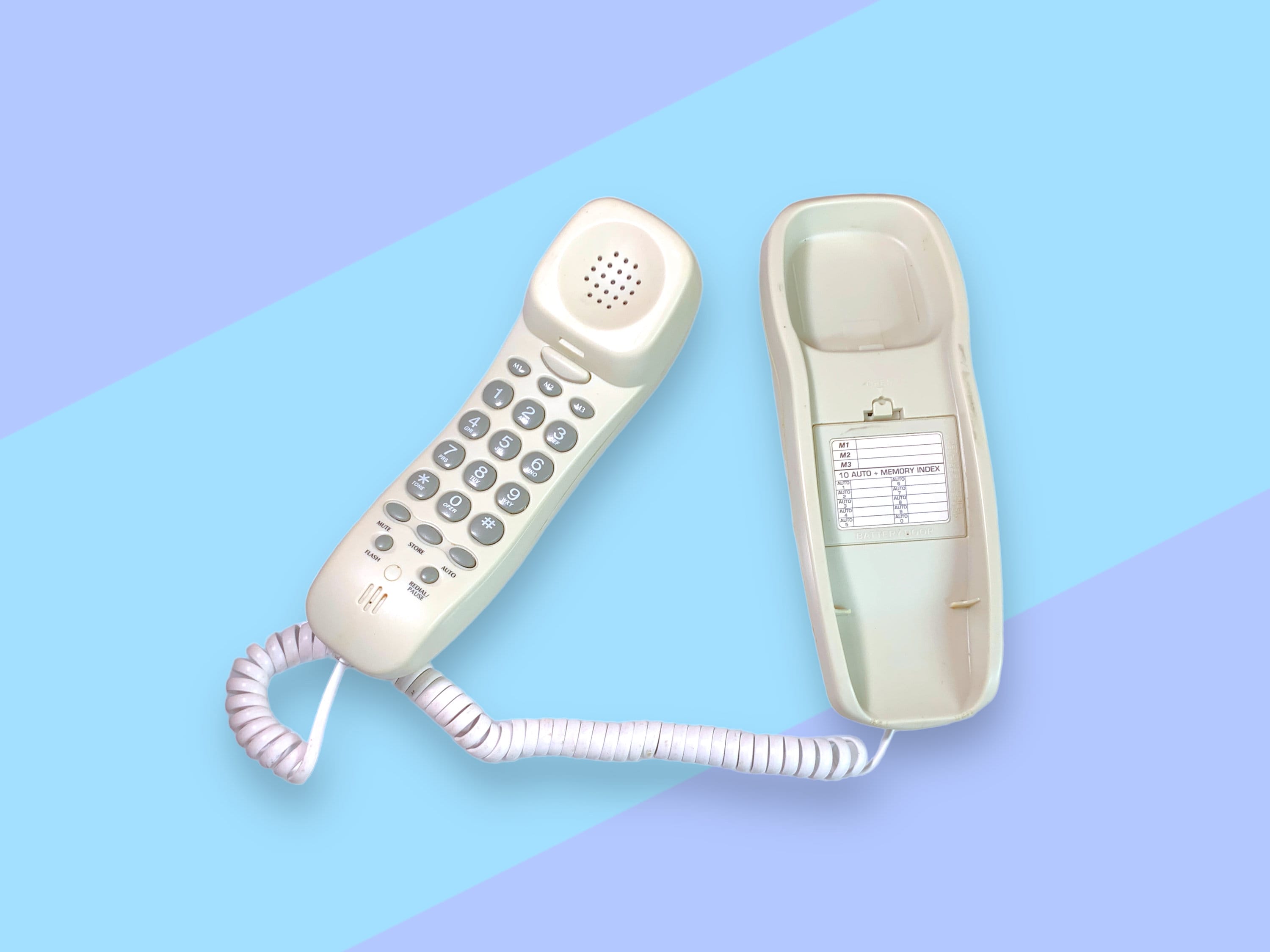
How old telephones were powered
Power was modest but clever. In early magneto sets a hand crank turned a generator to ring the other party. Later, central offices supplied battery power down the pair. So, how did old telephones work?
How telephone circuits carried your voice
Speech needed a circuit. Induction coils, often called hybrids, split transmit and receive paths so you could hear yourself without feedback. If a neighbour asked how did old telephones work across long distances, the short reply was loading coils and thicker wire to cut loss.
How early switchboards worked
Dialling began as human labour. You lifted the receiver and told an operator the name or number. Curious customers would ask an operator how did old telephones work in that room of cords and lamps. She would plug a cord into your line’s jack, another into the destination jack, and ring through.
How rotary dialling worked
Automatic exchanges replaced the cordboard with electromechanical selectors. A rotary dial interrupted the current in rapid pulses. Those pulses stepped switches called Strowger selectors through banks of contacts to reach the right line. Engineers writing manuals often answered how did old telephones work by drawing a ladder of contacts that the pulses climbed one digit at a time.
How ringing worked
Bells were tuned metal gongs struck by a small clapper. The exchange sent an alternating ringing voltage that made the clapper swing. Children would take the case off and ask again, how did old telephones work to make such a loud ring from such a little box. The answer was resonance, careful spring tension, and a clever biasing magnet.
How party lines worked
Party lines shared one circuit across several homes. Etiquette mattered. If you wondered how did old telephones work when two people lifted the receiver at once, the truth is that voices simply mixed. Some systems used coded rings so you knew which call was yours. Privacy improved only when dedicated lines became affordable.
How rural lines stayed reliable
Rural lines could stretch for kilometres. To keep conversations intelligible, crews added repeaters, renewed poles, and cleaned porcelain insulators. Farmers learning how did old telephones work often helped by trimming trees clear of the route and reporting noisy spans after high winds.
How safety protected sets
Safety and reliability grew steadily. Lightning arresters shunted surges to earth. Earthing straps and fuses saved sets from damage. If you asked a lineman how did old telephones work during a thunderstorm, you would hear about carbon blocks that sacrificed themselves so the family could keep a working phone.
How handset design improved clarity
The handset’s shape was practical. Curved handles set the microphone to the mouth and the receiver to the ear at the right distance. People curious about how did old telephones work sometimes imagined secret amplifiers inside, yet the magic was mostly in careful acoustics and efficient electromagnetic parts.
How maintenance kept calls clear
Maintenance kept everything clear. Contacts were polished, cords were reterminated, and switch springs were adjusted. Anyone who ever cleaned contacts learned firsthand how did old telephones work better after a quick wipe with spirit and a paper strip.
How calls crossed oceans
As networks modernised, valves and then transistors amplified long haul calls. Submarine cables carried multiplexed channels. When teachers explained to pupils how did old telephones work across oceans, they spoke about repeaters laid along the seabed and careful balancing of circuits to stop echoes.
How switching evolved to digital
By the late twentieth century, digital switching and signalling replaced most of the moving parts. Even so, you could still ask how did old telephones work on a modern line. The answer was that the set converted voice to an analogue current, while exchanges turned routing into software.
Why old telephones still appeal
Today the old sets remain stylish and surprisingly usable with the right adaptor. Museums answer the same question every weekend, how did old telephones work, and children leave with a new respect for the elegance of simple circuits.
Together, simple physics, tidy wiring, and careful service built a system that felt human, sounded warm, and still inspires makers, collectors, and curious readers exploring vintage telephone technology today.